
PERLs testing for manufacturing processes
Science-led extractables and leachables support for manufacturing equipment, process-contact materials, and single-use systems.
Dedicated Extractables & Leachables team
HS-GC-MS, GC-MS,
LC-HRAMS, ICP-MS/MS
GMP and GLP compliant, FDA and MHRA inspection-ready
Modern pharmaceutical and biopharmaceutical manufacturing depends on complex process equipment and process-contact materials, including tubing, connectors, filters, bags, gaskets, seals and other polymeric components. These systems improve flexibility and efficiency, but they may also introduce process equipment-related leachables (PERLs) into intermediates, process streams, or final products.
Resolian’s dedicated Extractables and Leachables (E&L) team delivers bespoke study design, extractables profiling, unknown compound characterization, elemental impurity assessment, and targeted leachables support, with access to toxicological risk assessment through a partner provider, to help manufacturers identify, assess, and control PERLs across the product and process lifecycle.
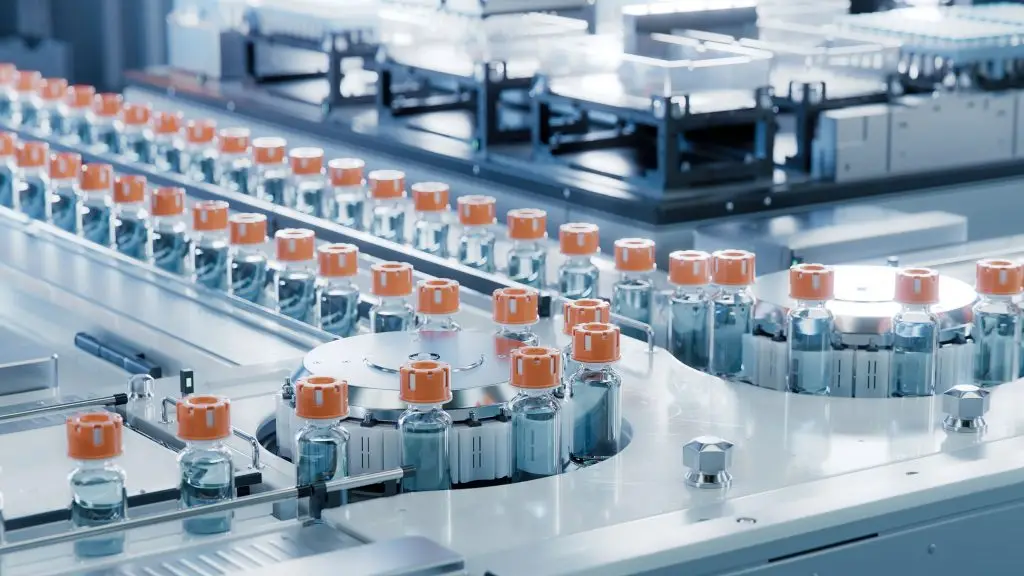
What are PERLs, and where does the risk come from?
PERLs are compounds that migrate from manufacturing equipment and process-contact materials rather than from the final container closure system. These species may present a direct patient safety concern or impact product quality, stability, purity, or efficacy, which is why a PERLs testing program is worth building early rather than after an issue surfaces.
Product quality risk
Potential impact on quality, stability, purity, or performance
Patient safety risk
Concerns where migrated species persist into the final product
Manufacturing delay
Batch disposition questions and added investigation costs
Regulatory risk
Questions raised if E&L risk isn’t appropriately characterized and justified
The regulatory position on PERLs testing
USP <665> and USP <1665> became enforceable on 1 May 2026, with no grandfathering for products already on the market.
- USP <665> sets the compendial requirements for plastic components and systems used to manufacture pharmaceutical drug products and biopharmaceutical drug substances and products.
- USP <1665> provides the supporting risk-assessment and implementation framework.
- BPOG/BioPhorum best practices sit alongside both as recognized industry protocol, and USP <665> allows manufacturers to leverage existing BPOG-aligned data rather than starting from scratch.
- ICH Q3D adds the elemental impurity dimension, requiring manufacturers to assess and control inorganic contributors from raw materials, utilities, equipment, and process-contact materials through a documented risk-based control strategy.
In practice, this means PERLs testing programs need to be defensible for regulator review, with study design, justification, and lifecycle control aligned to FDA, MHRA, and EMA expectations.
How Resolian can help
Our scientists design PERLs testing programs around your process, materials, product type, and regulatory goals, rather than relying on generic protocols.
Bespoke extractables
study design
Risk-based, product-specific approaches aligned with current guidance and recognized industry best practice
Organic screening and unknown identification
HS-GC-MS, GC-MS, LC-HRAMS, and orthogonal sample preparation for volatile, semi-volatile, and non-volatile species
Elemental impurity assessment
ICP-MS, ICP-MS/MS, and ICP-OES to support inorganic risk evaluation in line with ICH Q3D principles
Targeted leachables studies
On intermediates, process streams, or finished products to confirm whether identified extractables are relevant under use conditions
Regulator-ready reporting
Clear data packages, interpretation, and support for technical justifications and agency questions
Seen enough? Let’s talk.
Proven in practice
Resolian’s E&L team has already helped biopharma manufacturers investigate PERLs PERL risk from process-contact materials under real manufacturing conditions.
PERLs from Purification Resins in Biopharma
Why partner with Resolian
Proven expertise
A specialist E&L team with experience in study design, unknown characterization, and regulatory support
Full lifecycle support
A single PERLs testing partner from early-stage screening and method development through confirmation studies, validation, submission support, and change management
Bespoke approach
Tailored to your product, process, materials, regulatory target, and timeline
GMP and GLP compliant
FDA and MHRA inspection-ready laboratories and support for regulator-facing documentation
Your Goals. Our Science.
Ready to build a science-led PERLs testing strategy?
Resolian helps manufacturers generate the evidence needed to understand extractables, assess leachables relevance, and support confident, regulator-ready decisions across development, commercial manufacture, and lifecycle change.
Our Analytical Sciences Resources
Case Studies
Leaner, More Reliable: Building a Fit-for-Purpose LC-MS System Suitability Mixture for Extractables and Leachables Screening
Frequently Asked Questions
Find answers to commonly asked questions about PERLs testing at Resolian.
What are process equipment-related leachables (PERLs)?
PERLs are compounds that migrate into a product, intermediate, or process stream from manufacturing equipment and process-contact materials, such as tubing, filters, bags, and seals, rather than from the final container closure system.
How are PERLs different from container closure leachables?
Container closure leachables come from the packaging that holds the finished product. PERLs come from equipment and materials the product contacts earlier, during upstream processing, purification, formulation, or fill-finish, so they need a separate risk assessment even when a product’s container closure testing is already complete.
Is USP mandatory, and does it apply to products already on the market?
Yes. USP <665> and USP <1665> became enforceable on May 1, 2026, with no grandfathering, so products already on the market are held to the same requirements as new ones. For a full breakdown, see USP 665 and USP 1665: What Pharma Manufacturers Need to Know
How does USP / relate to the BPOG/BioPhorum protocol?
Both use risk-based frameworks for evaluating extractables from single-use systems, and USP <665> allows manufacturers to leverage existing BPOG-aligned data rather than starting testing from scratch. USP <665> is the formal, enforceable compendial standard, while BPOG is an industry best-practice protocol referenced alongside it rather than a regulatory requirement in its own right.
Which manufacturing steps carry the highest PERLs risk?
Risk can arise anywhere process-contact materials are in contact with product streams, intermediates, or cleaning solutions, but upstream bioreactors and mixing systems, downstream filters and purification resins, and formulation or fill-finish components are the most common sources flagged in risk assessments.
What happens if a PERLs testing program still has gaps?
Manufacturers who haven’t completed a full risk assessment and extractables data package are currently operating with unresolved regulatory risk, since the standard is already in force. See USP 665 and USP 1665: What Pharma Manufacturers Need to Know