Case Studies
Ultra-Trace NMBA Detection Using HILIC-MS
Learn how Resolian achieved 0.8 ng/mL NMBA detection using HILIC-MS – overcoming reverse-phase limitations for ultra-trace nitrosamine analysis in drug products.

Learn how Resolian achieved 0.8 ng/mL NMBA detection using HILIC-MS – overcoming reverse-phase limitations for ultra-trace nitrosamine analysis in drug products.
Discover how Resolian’s platform SFC-UV method analyzes vitamin E across multiple formulations – reducing organic solvent use while meeting GMP requirements.
Discover how Resolian increased LC-MS sensitivity by 438% using Design of Experiments – achieving required detection limits without new equipment investment.
False positives in nitrosamine testing can trigger unnecessary product recalls, regulatory scrutiny, and supply chain disruptions—threatening patient access to critical therapies. But what if the contamination isn’t from your product at all?
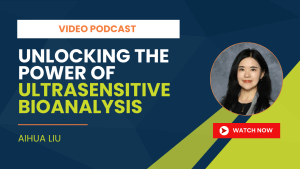
🔬 How do you measure complex modality molecules at the lowest possible concentrations?
For modern therapies like antibody-drug conjugates (ADCs) and inhzlation drugs, precise bioanalysis at picogram levels is essential to ensure both efficacy and safety. At Resolian, we specialize in ultrasensitive assays that push the boundaries of detection.
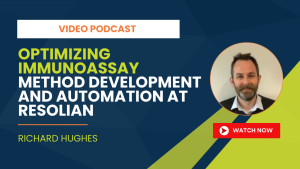
Precision, efficiency, and scientific expertise are essential in today’s fast-moving bioanalytical landscape. At Resolian, we’ve taken a bold step forward—restructuring teams, refining method development processes, and strategically implementing automation to enhance service delivery.
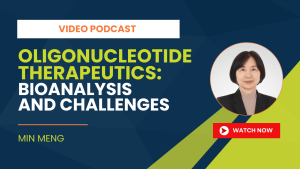
Min Meng, Chief Operations Officer at Resolian. The interview focuses on the bioanalysis of oligonucleotide therapeutics, a rapidly evolving area in drug development. Min Meng, with 20+ years of experience in this field, provides valuable insights into the unique challenges and advantages of these therapies.
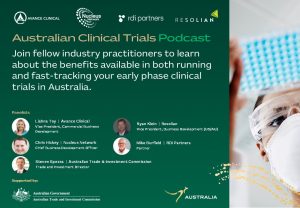
In this visual podcast we explore why Australia is an attractive destination for early-phase clinical trials, highlighting the benefits of speed, quality, and cost-effectiveness.
The expert panel discussion delves into Australia’s unique regulatory pathways, the R&D tax incentives, operational logistics, and how early-phase data supports global drug development.

In a globalized life sciences industry, maintaining consistent quality standards across multiple international sites is a major challenge.

Explore the history that shaped Resolian and get a sneak peek into our future plans with our new video series…