
BLOG
Background
Selecting a contract research organization (CRO) is one of the most consequential decisions in drug development. The right partnership can accelerate timelines, ensure regulatory compliance, and transform scientific challenges into solutions. Yet many sponsors struggle to evaluate CRO capabilities beyond cost and turnaround time. This guide addresses the critical questions that inform successful CRO selection.
What exactly is a contract research organization and who benefits from partnering with one?
A CRO provides specialized scientific services to pharmaceutical and biotechnology companies throughout drug discovery and development. Specialized bioanalytical and analytical CROs focus on analytical method development and validation, laboratory testing supporting preclinical and clinical studies, Chemistry Manufacturing and Controls (CMC), and data analysis. These CROs combine the relevant scientific expertise with the required quality culture, regulatory knowledge, and technical infrastructure to deliver GxP-compliant services across all therapeutic areas in all stages of drug development and manufacture.
Emerging biotechnology companies often lack infrastructure to establish comprehensive internal analytical capabilities. Established pharmaceutical companies utilize CROs to manage capacity fluctuations and access specialized techniques and capabilities. When developing novel modalities like oligonucleotides, mRNA therapeutics, or antibody-drug conjugates, even large organizations benefit from CRO expertise. The same applies to analytical challenges requiring niche capabilities such as nitrosamine impurity characterization, extractable and leachable testing, or biomarker assay development. Academic institutions transitioning discoveries toward clinical development require partners who bridge research-grade methodologies to regulatory-compliant assays, particularly for complex DMPK studies or immunogenicity assessment. Medical device manufacturers need expertise spanning device materials characterization and drug component analysis. CDMOs also can partner with dedicated analytical CROs for method development, validation, and testing to support manufacturing processes. Bioanalytical and analytical CROs provide immediate access to GxP-compliant laboratories and regulatory expertise essential for reaching development milestones, whether programs require LC-MS/MS, immunoanalytical techniques, PCR or specialized flow cytometry for cell-based therapeutics.
.What core capabilities distinguish high-performing CROs?
Several interconnected capabilities separate exceptional service providers from the rest. Modern drug development spans diverse therapeutic landscapes requiring validated expertise across various drug modalities including small molecules, peptides, proteins, conjugates, oligonucleotides, and cell and gene therapies (CGT). Small molecules require bioanalytical methods to characterize pharmacokinetics (PK), in vitro ADME, plus comprehensive analytical chemistry for impurity profiling and stability-indicating assays. Large molecules demand (PK) assays, immunogenicity testing, and characterization for post-translational modifications. CGT represents the most specialized and diverse analytical challenges, with combinations of flow cytometry, PCR, immunogenicity testing, LC-MS/MS, biomarker assessment, integration of these data sets and understanding of patient-centric sample logistics.
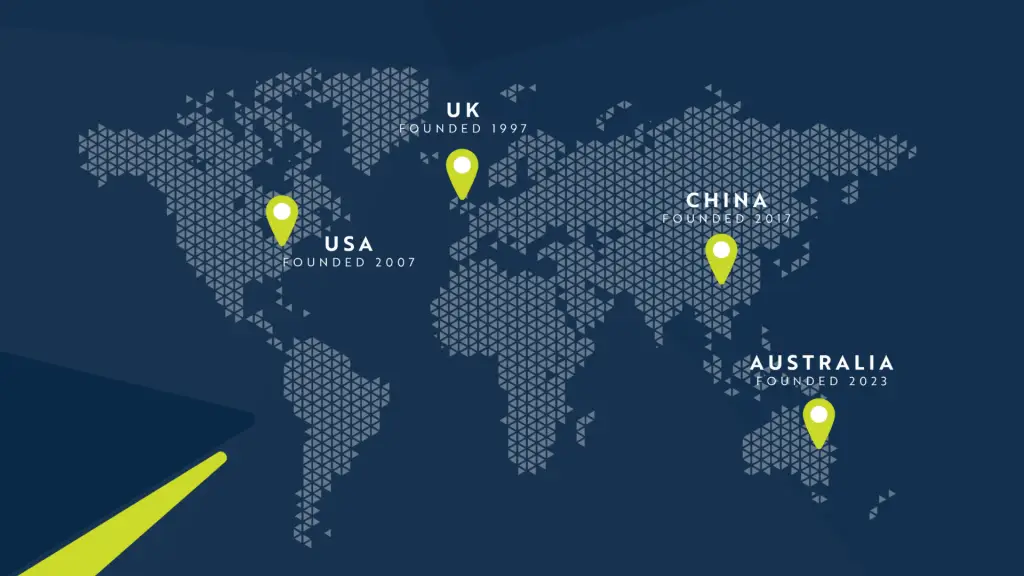
Geographical reach enables seamless method transfer to different regions/laboratories and maintains study continuity when clinical work is being conducted across multiple geographies. Strategic locations provide distinct advantages – Australia offers IND-free trial initiation and R&D tax incentives, Asian markets provide access to underrepresented patient populations, and it is compulsory for global drug development to have locations in the US and Europe. This critical factor extends beyond multiple sites in different regions – to truly harmonized operations with unified quality systems, standardized training, and consistent data and project management enabling flexible capacity allocation without compromising data integrity. The ability to perform analytical batch release testing in the intended registration market is also a crucial consideration when partnering with a CRO for release testing.
Quality systems represent the foundation of defensible data. Sponsors should expect harmonized SOPs and processes across sites, regular regulatory inspections with documented successful outcomes, and integrated quality management systems. For analytical services, this includes consistent approaches to specialized capabilities – whether nitrosamine testing methodologies, immunogenicity cut-point strategies, or CMC stability-indicating methods. Furthermore, exceptional CROs will be well placed to share their experience of the various nuances in expectations encountered with the different regulatory bodies, when submitting registration packages or addressing identified gaps in registration packages.
Technology infrastructure must serve scientific objectives. Modern bioanalysis requires sophisticated instrumentation, data management systems ensuring integrity, and integrated platforms connecting laboratory operations with client communications. Organizations investing in technology demonstrate commitment to efficiency, though capability must balance cutting-edge innovation with proven, validated methodologies. While this technology is important for communication with clients, nothing can substitute for the human project management and scientific support provided to keep you up to date and keep a project moving.
What analytical capabilities support pharmaceutical development beyond bioanalysis?
Comprehensive analytical CRO support requires analytical chemistry knowledge and capabilities spanning the entire development lifecycle; CMC testing encompasses, for example, drug substance and drug product characterisation, excipient and drug substance purity determination, product and process-related impurities testing, stability-indicating method development for shelf-life establishment, and extractable and leachable assessments related to processing and packaging materials. Organizations requiring CMC support should evaluate cGMP-compliant analytical laboratories, regulatory submission experience, and ICH stability testing understanding.
Materials characterization identifies polymorphic forms, particle size distribution, and thermal properties affecting bioavailability and manufacturability. Advanced techniques include X-ray powder diffraction for crystalline phases, differential scanning calorimetry for thermal properties, and electron microscopy for particle morphology. These capabilities prove essential when stability failures occur or manufacturing changes impact product quality.
Impurity profiling extends beyond quantifying known process impurities to identifying unexpected degradation products. High-resolution mass spectrometry provides molecular formulas while NMR enables structure elucidation. The most valuable partners bring problem-solving expertise – when unexpected peaks appear in stability samples, structural elucidation and rapid root cause determination becomes critical.
Extractable and leachable programs characterize potential compounds migrating from process contact and packaging materials or delivery systems. This capability becomes particularly important for novel delivery systems, biologic formulations in prefilled syringes, and container-closure systems with direct drug contact. CROs with dedicated expertise understand both analytical complexity and regulatory pathways for demonstrating safety.
Can we help accelerate your project?
Resolian is a global bioanalytical, biomarker and analytical sciences CRO (Contract Research Organization)
partner supporting all phases of your drug development.
How does organizational scale impact performance and partnership quality?
The relationship between size and capability proves nuanced. Large CROs have substantial capacity and comprehensive service offerings, but size can create inflexibility and slow decision-making. Mid-sized specialized CROs combine meaningful capacity with adaptability, featuring direct communication with decision-making scientists, people that can manage these complex projects on behalf of the client, and genuine willingness to customize approaches to meet project needs.
Tailored, project-specific solutions become particularly relevant for analytical challenges resisting standardization. Novel modalities or complex formulations often require iterative development with close scientific collaboration. The difference between reactive execution versus proactive recommendations that prevent timeline issues often determines satisfaction more than pure scientific capability.
Previous thinking was that large, global Phase III studies required large CRO capacity, while early-stage exploratory work for novel modalities benefits from specialized organizations where senior scientists remain directly engaged. With many global Phase III trials specializing in smaller patient populations, smaller, specialized CROs that have a global footprint are more often supporting global development and post registration commitment. Many sponsors employ portfolio approaches, leveraging strengths each organization provides based on the size of trials and the specialized need for scientific expertise.
What should request for proposals (RFPs) include and how do you evaluate responses?
Effective RFPs balance providing sufficient context while evaluating problem-solving approaches. Essential elements include clear study objectives, timeline expectations, regulatory requirements, therapeutic modality and biological matrices, sample numbers and sample volumes, and unique methodological challenges.
Beyond evaluating standard capabilities, probe scientific approaches to anticipate challenges, capacity management and resource allocation, communication protocols and escalation processes, method development philosophy including quality by design approaches, and cross-functional integration for programs requiring both bioanalytical and analytical chemistry support.
Moving beyond responses requires a structured evaluation. Site visits reveal operational reality – laboratory organization, staff knowledge depth, training and documentation practices, equipment maintenance programs, and sample management workflows. Reference discussions with existing clients often reveal more than marketing materials, particularly from sponsors with similar therapeutic modalities.
Partnership compatibility extends beyond technical capability. Consider cultural alignment in communication preferences, transparency around limitations, and willingness for strategic engagement beyond immediate project scope. The scientists conducting your work matter more than organizational reputation – evaluate their expertise, communication skills, and decision-making authority.
How do emerging modalities and long-term partnerships optimize outcomes?
Cell and gene therapy development introduces unique considerations. These precious and sometimes labile samples require purpose-built facilities with appropriate biosafety levels, comprehensive capabilities spanning flow cytometry and molecular genomics, and understanding of patient-centric logistics. The distinction between diagnostic clinical laboratories and bioanalytical labs working under GLP/GCP standards provides regulatory submission basis.
Similarly, oligonucleotide, mRNA therapeutics and complex biologics demand specialized LC-MS/MS expertise combined with immunoanalytical techniques, and experience with regulatory requirements for these novel modalities.
Long-term partnerships enable CROs to develop a deep understanding of sponsor preferences, streamlining interactions and often providing preferential capacity allocation and a more efficient cost. The most valuable partnerships emerge when CROs bring proactive scientific expertise—anticipating challenges before they impact timelines – and the client works with the CRO on setting and achieving the timeline. When CRO teams function as extensions of sponsor organizations, contributing specialized knowledge while understanding broader strategic objectives and integrating into client process, development timelines accelerate while maintaining rigor.
Sponsors maximize value through early engagement allowing CRO input on study design, transparent communication about strategic objectives, willingness to consider methodological recommendations, and collaborative problem-solving. Regular strategic reviews beyond routine updates enable discussion of emerging regulatory expectations and lessons learned.
Conclusion
Selecting the right CRO partner requires understanding how capabilities, culture, and commitment align with program needs. Organizations best positioned to support development combine technical excellence across therapeutic modalities with operational consistency through harmonized quality systems, global reach providing geographical flexibility and local regulatory expertise, and genuine scientific collaboration rather than order fulfilment.
Informed decisions emerge from structured evaluation of technical capabilities spanning required services, quality systems architecture with attention to global harmonization, capacity for current and future volume, technological infrastructure supporting efficiency, and partnership compatibility including cultural alignment.
Success ultimately depends on alignment – not just of technical capabilities but of values, communication styles, and commitment to the shared goal of advancing therapeutics that improve patient lives. The pharmaceutical landscape continues evolving with novel modalities, global trials, and accelerated expectations. CRO partners who demonstrate adaptability, have a global footprint, invest in emerging capabilities, drive a quality culture and maintain focus on client success through every phase create the foundation for successful drug development programs.
Think Global. Develop Faster.
Resolian is a global bioanalytical CRO (Contract Research Organization) that offers a services for a variety of specialized bioanalytical services in GxP and nonregulated bioanalysis, drug metabolism/pharmacokinetic (DMPK), and GMP CMC analytical and materials science. Global bioanalytical, biomarker and analytical sciences partner supporting all phases of your drug development. .